
Expansion rarely fails because of strategy. It slows down because execution gets stuck between approvals, interior work, vendor timelines, and basic readiness.
In cities like Gurgaon, this gap is even more visible. Leadership approves growth. Hiring begins. But the office isn’t ready, weeks turn into months, and costs rise quietly. Momentum drops.
This is where the discussion around Office Spaces in Gurgaon is changing. It is no longer just about selecting real estate, but about how quickly a business can become operational.
What Flexible Office Spaces Actually Mean Today
Flexible office spaces are fully set up, managed workplaces where teams can move in and begin work without getting involved in setup, infrastructure, or daily facility operations.
In day-to-day operations, this typically includes:
- IT infrastructure, internet, and security systems are active from day one.
- Facility management, housekeeping, and maintenance are handled centrally.
- Teams can move in and start working immediately, without waiting for setup.
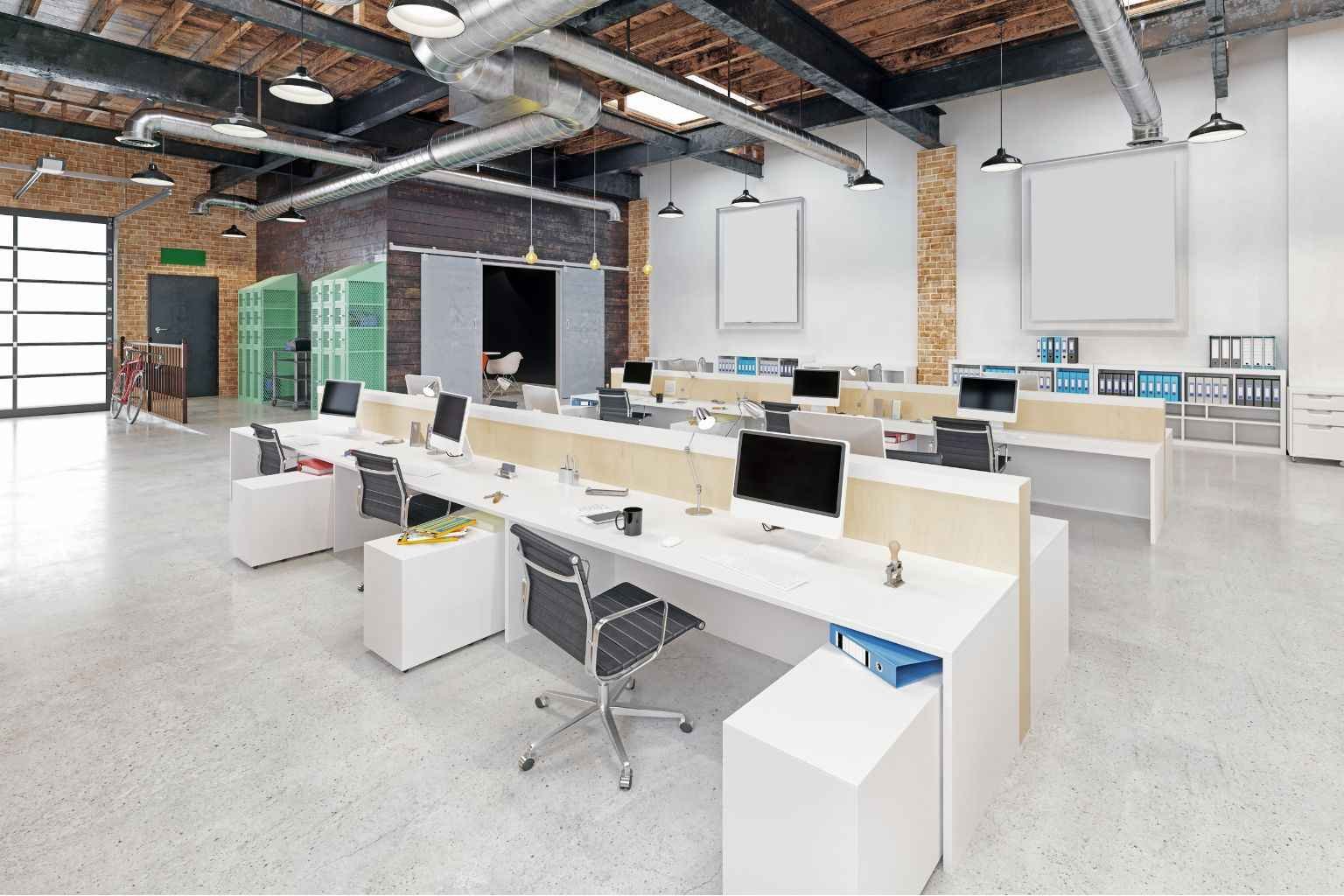
- Workstations, meeting rooms, and collaboration areas are already in place and ready to use.
In many Grade A office spaces across Gurgaon, this model has evolved beyond coworking. It now supports enterprise teams of 100 to 1,000+ seats with customisation, branding, and compliance built in.
The Real Cost of Operational Delays in Traditional Offices
For leadership teams, delays are rarely visible in a single line item. They spread across functions.
In large-scale office operations, a typical delay includes:
- 60–90 days lost in design approvals and vendor onboarding.
- Parallel hiring without infrastructure readiness.
- Temporary work arrangements that affect productivity.
- Senior leadership bandwidth is diverted to execution issues.
Across locations like Sector 62 and 63 in Noida, similar patterns have been observed where expansion decisions are made quickly, but physical readiness lags.
In Gurgaon, especially in high-demand zones like Golf Course Road or Cyber City, these delays become more expensive because demand cycles move fast and talent availability is time-sensitive.
Why Flexible Office Spaces Remove Execution Bottlenecks
Flexible office spaces fundamentally change how quickly a business can act after planning. Instead of building from scratch, companies step into an already operational environment.
This directly impacts three critical areas:
- Speed to Occupancy
In locations like Office Space in Golf Course Road, companies can activate teams within days rather than months. The infrastructure, right from access control to meeting room systems, is already in place. This eliminates the typical lag between lease signing and operational readiness.
- Vendor and Design Complexity
Traditional offices involve multiple vendors, design consultants, contractors, IT providers, security systems, and facility teams. Flexible office models consolidate this into a single operational layer. The complexity doesn’t disappear, but it shifts away from the company’s internal teams. For leadership, this means fewer moving parts and lower execution risk.
- Immediate Business Continuity
In sectors where teams scale quickly, technology, GCCs, and consulting delays directly impact revenue or delivery timelines. In Office Space in Cyber City, where many enterprise operations are concentrated, companies increasingly prefer environments where teams can plug in and start without disruption.
Scaling Up or Down Without Structural Constraints
Growth is rarely linear. Teams expand, contract, or shift based on business cycles. Traditional offices are rigid by design. Flexible office spaces are not. In Office Space in Golf Course Extension Road, companies often begin with a certain seat count and expand within the same facility as hiring ramps up – the infrastructure scales alongside.
This avoids:
- Renegotiating leases
- Investing in additional fitouts
- Managing multiple office locations prematurely
For CXOs, this creates a controlled growth environment where expansion aligns with actual business demand, not long-term real estate commitments.
Operational Control Without Operational Burden
One concern often raised at the leadership level is control. If the space is managed externally, does the company lose visibility?
In mature flexible office environments, the opposite tends to happen.
- Access control systems provide real-time data
- Meeting room usage and space analytics are available
- Facility performance is monitored through SLAs
In many Grade A office spaces in Gurgaon, enterprise clients operate with defined service benchmarks, ensuring consistency without managing day-to-day operations internally. The control remains. The burden reduces.
Location Strategy Becomes More Agile
Earlier, location decisions were long-term bets. Once committed, companies stayed locked in. Now, location strategy is becoming more fluid.
A company may:
- Start with a presence in office spaces in Gurgaon.
- Test hiring strength and operational efficiency.
- Expand within the same micro-market or move closer to talent clusters.
This is particularly relevant in Gurgaon, where micro-markets behave very differently:
- Golf Course Road attracts leadership and premium clients.
- Cyber City supports dense corporate ecosystems.
- Golf Course Extension Road offers scalability and cost balance.
Flexible office models allow companies to adapt to these dynamics without heavy transition costs.
Financial Visibility Improves for Leadership
Capital expenditure in traditional offices is front-loaded. Interiors, infrastructure, and setup costs are incurred before operations even begin. Flexible office spaces convert this into a more predictable operating expense.
This has two implications:
- Faster approval cycles for expansion decisions
- Better alignment between cost and actual usage
For a ₹5–10 crore decision, this shift from capex to opex changes how leadership evaluates risk.
Where This Model Fits and Where It Does not
Flexible office spaces are not a universal replacement. They work best when speed, scalability, and operational simplicity are priorities. They are particularly effective for:
- New market entry
- Rapid team expansion
- Consolidation of distributed teams
- Interim setups during transitions
However, for highly specialised environments with unique infrastructure needs, traditional offices may still have a role. The decision is less about replacement and more about fit.
The Shift in How Office Decisions are Being Made
Office selection is no longer just about location, size, and lease terms. It is about how quickly a business can move after the decision is made. In Gurgaon, this shift is already visible. Companies are not just asking where the office is. They are asking how fast teams can start working. Flexible office spaces answer that question directly.
Closing Perspective
For leadership teams, the real risk is not choosing the wrong office. It is losing time between decision and execution. Office Spaces in Gurgaon are increasingly being evaluated through this lens: speed, adaptability, and operational readiness. When expansion timelines tighten and business priorities shift quickly, the ability to start without delay becomes a strategic advantage, not just a convenience.
