
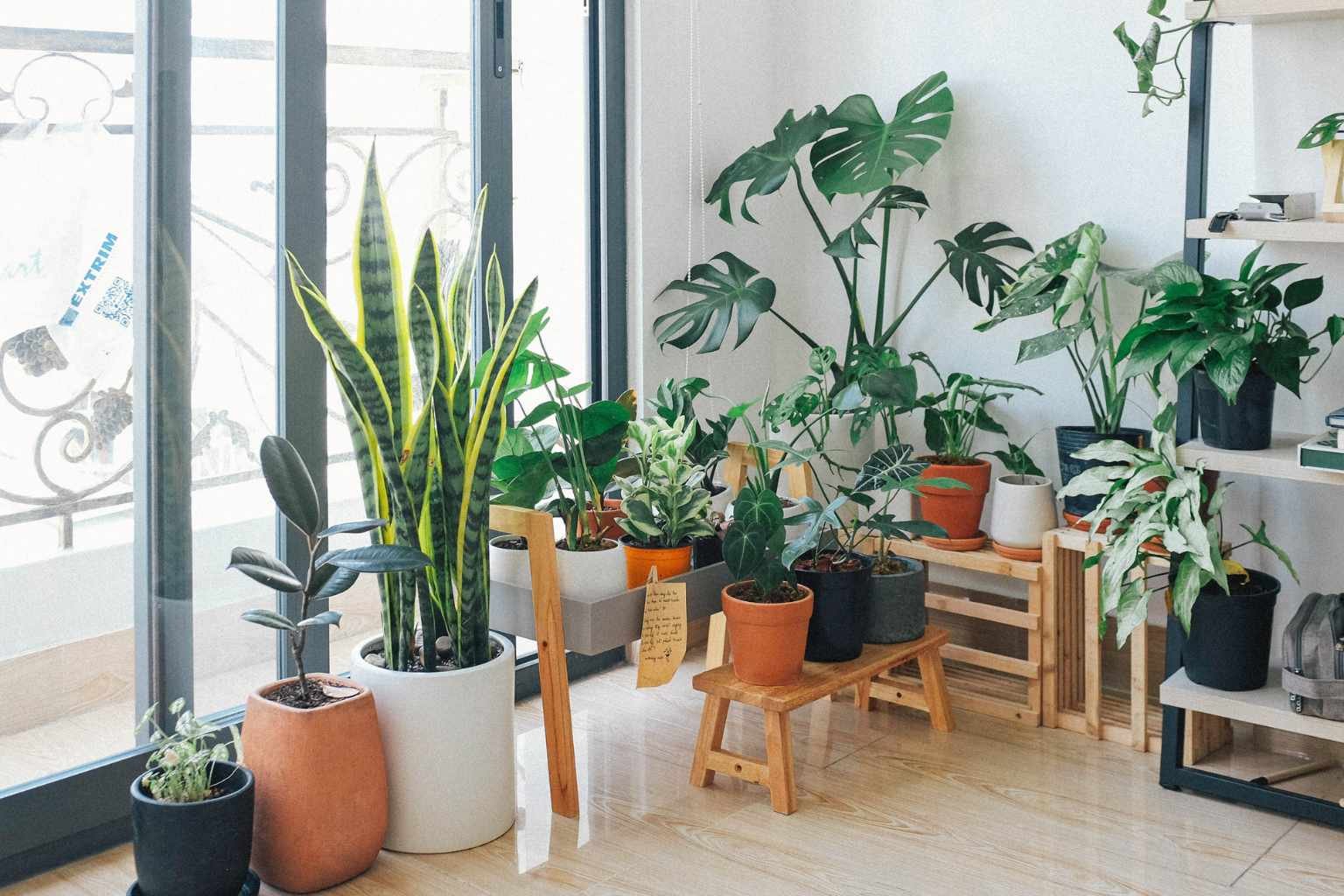
Indoor plants serve more than a decorative purpose. They bring the Nature indoors, and helps in maintaining healthier and calm environment. In the age of modern home where inhabitants are seldom to be found outside, plants provides enormous benefit by improving comfort, air quality and well-being. Indoor plants do more than just look good they can also improve the overall quality of your home or office environment.
1. The Importance of Indoor Plants in Modern Homes
Nowadays, we spend more hours indoors in poorly lit and sealed rooms. Indoor plants can help counter this by introducing an element of nature to living spaces. They soften interiors, decrease the sense of closed space and make homes seem more welcoming and comfortable.
2. How House Plants Clean the Air
Indoor plants are known for purifying the air by removing carbon dioxide and providing oxygen. Certain plants also have the ability to soak up some indoor air pollutants given off by furniture, paints and cleaning products. Plants are not an alternative for ventilation, but rather they help with cleaner and fresher indoor air.
3. Plants as Regulators of Ambient Humidity
Plants release water into the air by a process called transpiration. That is a good thing as it adds moisture to the air, in particular for heated and Air conditioned rooms. Ideal humidity decreases the risk of respiratory infections and resistance.
4. Indoor Plants and Mental Comfort
Greenery has a soothing impact on the mind. House plants relieve stress, anxiety, and mental fatigue. Houses filled with greenery usually feel more serene and calm, so they’re perfect for relaxing after a long day.
5. Sharper Focus and Productivity at Home
Plants indoors help to concentrate and focus you. This is particularly useful for those who are working or learning from home. Greenery Promotes peacefulness, lowers mental fatigue and improves concentration making a more pleasant work environment.
6. Popular Indoor Plants for Comfort and Air Support
Most easy-care indoor plants for the home:
- Snake plants – low maintenance and a long life.
- Peace lily for humidity balance
- Areca palm for clean air in the house
- Money plant for easy growth indoors
- Rubber plant for large spaces
These plants adjust well to being indoors, adding comfort to peoples’ homes.
7. How Plants Improve Sleep Quality
Some indoor plants can help you relax and get a better night’s sleep. They make perfect cuddle-buddies and help calm a child for bedtime. If you include plants in bedrooms, rooms can feel more calming and invigorating without hindering sleep.
8. Indoor Plants and Temperature Comfort
Plants help regulate indoor temperatures by cooling the air in the building. The sun on their leaves and the cool of their leaves. This natural thermal equilibrium enhanced comfort, especially during the summer.
9. The Biggest Mistakes You’re Making With Your Indoor Plants
To reap the most benefits from indoor plants, steer clear of these mistakes:
- Overwatering plants
- Putting plants in the best possible lighting
- Selecting the wrong plants for indoor settings
- Ignoring regular cleaning of leaves
- Overcrowding plants in small areas
This care keeps the plants healthy and viable.
10. Paving the Way to Live With Indoor Plants
Indoor plants are most effective when strategically positioned and well maintained. Even a handful of plants in living rooms, bedrooms or workplace desks could make a significant difference. Selecting the plants that suit your space and schedule means you can keep comfortable without a lot of extra work to keep your air clean.
Key Takeaways
“For comfort and to keep the house cooler, air purifying plants yeild an unexpected result of stress reduction by softly decreasing harmful toxins and chemicals throughout the home,” she explains. They aid in better focus, sleep, and general well being all while adding beauty to homes. When cared for and placed correctly, indoor plants are an easy way to mitigate that.
FAQs:
Q1. Does adding indoor plants really improve air quality?
They do, yes they help freshen air by sucking up carbon dioxide and contributing to cleaner indoor environments.
Q2. How many houseplants is enough for a home?
Even just a few strategically placed plants can have an impact.
Q3. Are indoor plants good for your bedroom?
Yes, most indoor plants are safe and can add to the comfort in a bedroom.
Q4. Are indoor plants a lot of work to take care of?
No, plenty of indoor plants are low-maintenance and easy to care for.
Q5. Do indoor plants help reduce stress?
Yes, greenery has a calming effect and helps lower stress levels.
