
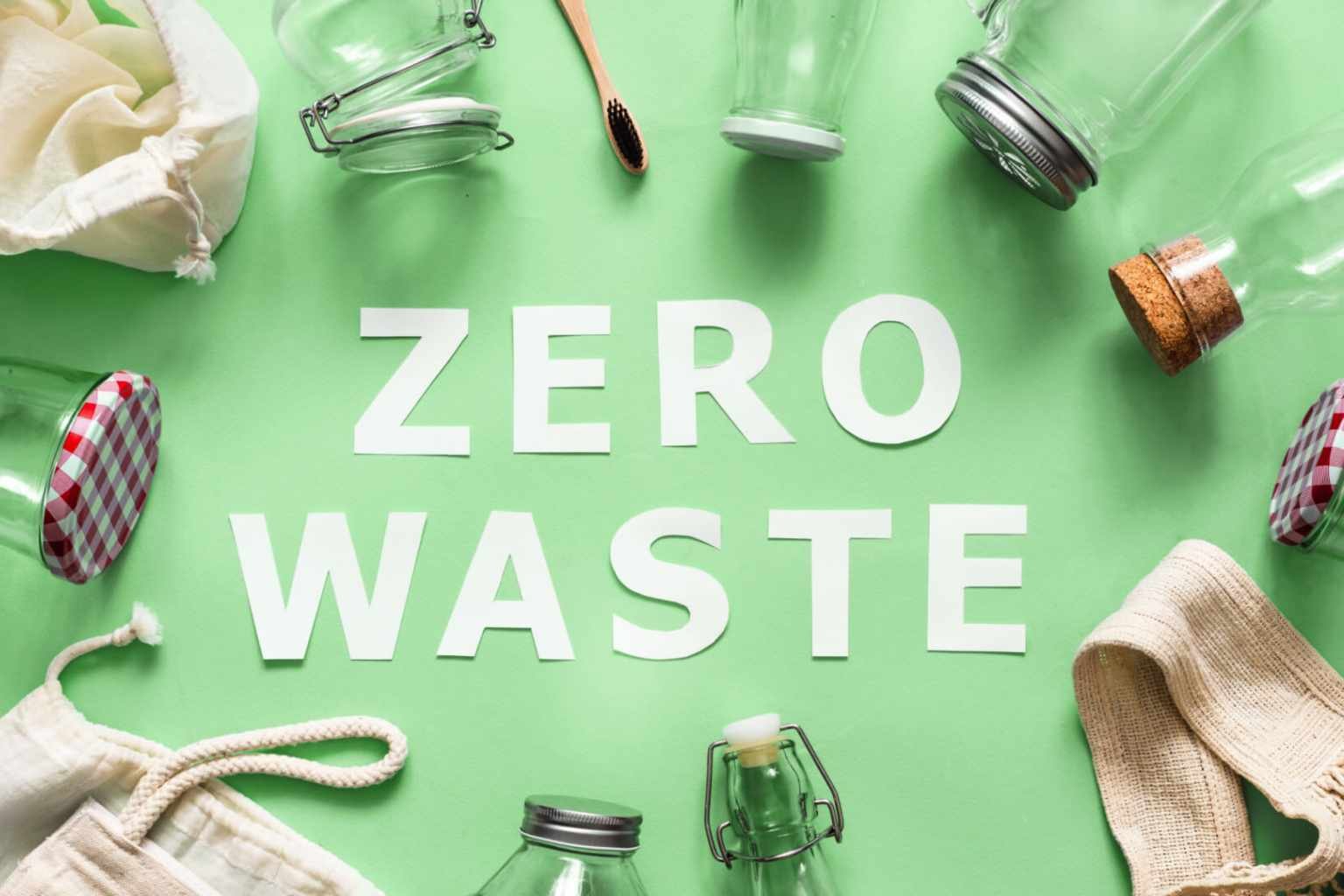
With increasing awareness about the environment, more people are re-evaluating how their daily habits impact on the planet. Zero waste living is becoming increasingly popular as people try to cut out trash from their lives and limit their use of resources, and accept responsibility for the planet. This isn’t a move toward perfection, but rather an effort to become more aware and thoughtful about what we consume and how we end up throwing away or wasting so much of it.
1. Here’s What Zero Waste Lifestyle Really Looks Like
Zero waste living is dedicated to limiting the amount of trash in land fills. It promotes refusal of non-essential things, reduction of consumption, reusing what we have and recycling effectively and composting organic waste. The aim is to generate less rubbish and to treat resources more mindfully.
2. Why Zero Waste Is Catching On Across The World
People are being spurred to action by plastic pollution, climate change and overflowing landfills. A growing number of people know now that tiny little decisions every day can have a big impact on the environment. Social Media, Documentaries and Eco Friendly Community Zero Waste Living has also gained popularity due to social media, documentaries like A Plastic Ocean on Netflix and the growth of eco friendly communities.
3. One Easy Thing to Do Right Now
Living a zero-waste life doesn’t mean you must transition overnight. Baby steps often turn into life long habits. By using bags, bottles and containers that just need to be washed rather than disposed of after you are done with them, waste is substantially decreased. This lifestyle is all about being an intentional consumer and a conscious shopper.
4. Daily Zero Waste Habits People Are Embracing
Most zero waste habits can easily become a part of our daily routine:
- And There are reusable shopping bags and water bottles
- Buying in bulk and minimizing packaging
- Choosing refillable personal care products
- Composting kitchen waste
- People are fixing things instead of buying new ones
These are practices that can cut down on waste without causing you a discomfort.
5. Zero Waste Living Benefits That Go Beyond the Environment
Living waste free is about more than lessening your impact on the planet. People tend to save money by buying less and reusing more. Homes are less cluttered, and patterns are more planned. Not only does this lifestyle stimulate a greater sense of wellness but it is also promotes a healthier and more conscious way of living.
6. Zero Waste and Sustainable Shopping Choices
Zero waste-inspired consumers choose to shop at local markets, seek out eco friendly brands and products with little packaging. By supporting companies working towards sustainability, you can help eliminate industrial waste and create a culture where it is better to work for the environment than against it.
7. The difficulties of living zero waste
Here are some of the challenges of zero waste living, despite how rewarding it can be:
- Limited access to bulk stores in certain regions
- More Expensive Certain eco friendly items, like cloth diapers, could be expensive.
- Time to Adapt to New Habits
- Social pressure and convenience culture
- Lack of proper recycling infrastructure
Awareness and adaptability can help transcend these obstacles.
8. Communities and their role in the growth of Zero Waste
Community support is one of the secrets to keeping this trend going). Local groups, online forums and workshops provide a place where people can share tips and encourage each other. Community-driven work is also steering cities toward improved waste-management systems.
9. Zero Waste at Home and Work
“Zero waste is becoming more than at home. Offices are cutting down on paper, changing over to reusable supplies and advocating for digital workflows. These shifts demonstrate that zero waste thinking can be applied to all corners of existence.
10. The zero waste life style of tomorrow
The zero waste trend shows no sign of slowing down with sustainability a hot topic worldwide. Waste reduction is starting to become part of the conversation for governments, businesses and individuals. Whilst completely zero waste is hard, baby steps toward low waste living will help guide future living.
Key Takeaways
The concept of zero waste lifestyle habits is a response to an increasing awareness of living sustainably. With subtle and constant lifestyle tweaks, people are able to cut back on waste, save money and live more consciously. Zero waste is not about being perfect, but striving to make a cleaner and healthier planet.
FAQs:
Q1. What is a zero waste life in easy words?
What it totals is less trash, by re-use, recycling and avoidance of items that get thrown away as waste.
Q2. Is zero waste living expensive?
Not necessarily, some habits including reusing and buying less actually become money-saving over time.
Q3. Is it possible for newbies to live a zero waste lifestyle?
Yes, the small habits make it beginner friendly.
Q4. Is zero waste no trash at all?
No, it is about minimizing waste as much as possible, not eliminating it entirely.
Q5. Will zero waste ever be more popular in the future?
Rising consciousness about the environment will drive this trend.
