
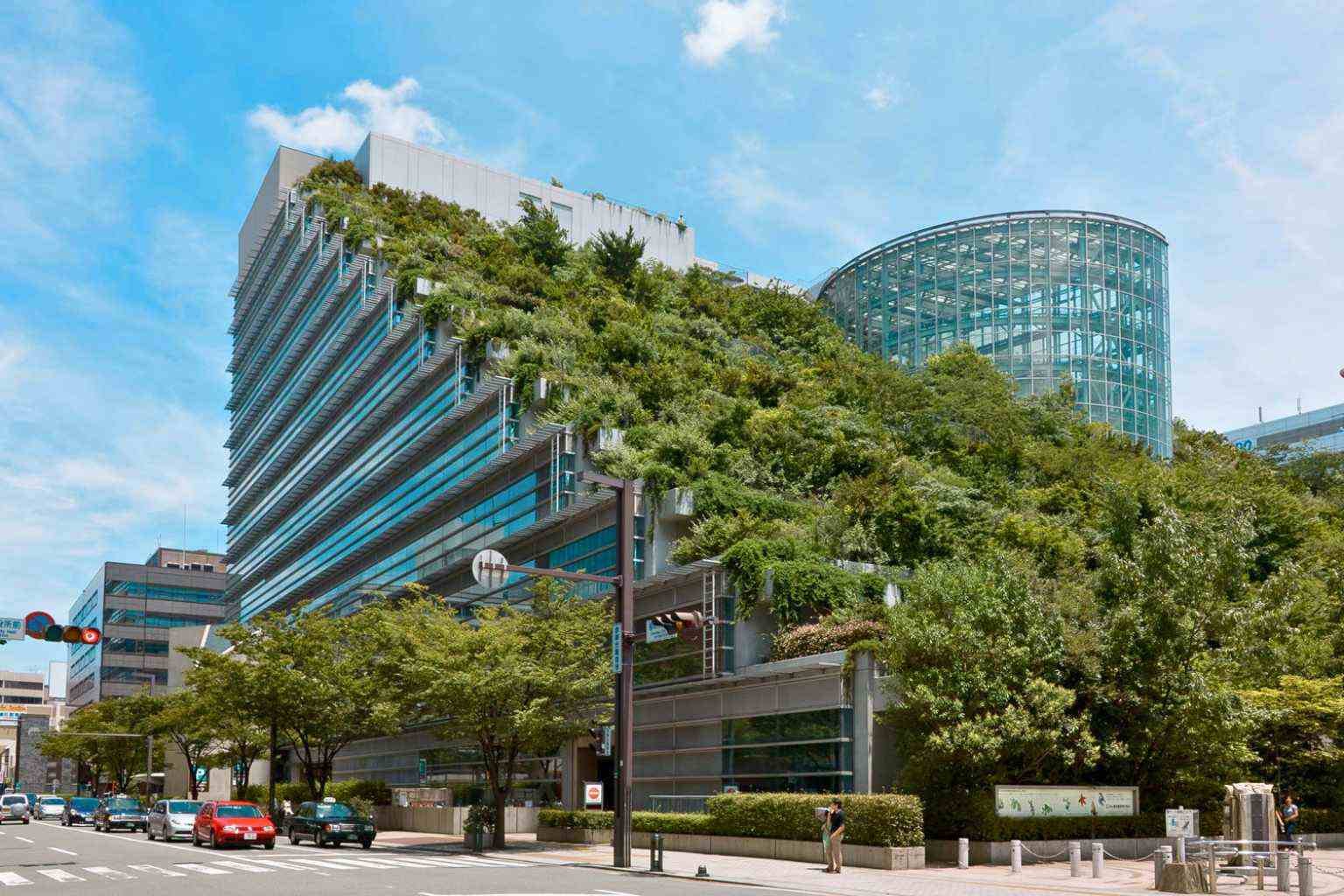
In cities across the world, there is an ongoing rethink about how we design our buildings and grow our communities. Developers and governments are being drawn to sustainable approaches by escalating energy costs, climate change issues, and health consciousness. Consequently, sustainable buildings and green neighborhoods have become an integral part of urban development today. These are spaces that strive for efficiency, stewardship of the environment and improvement in the quality of life of its residents.
1. What Sustainable Buildings Really Mean
Sustainable construction projects are those that lessen environmental disturbance at all stages of a building’s lifecycle. This includes energy efficient building design, responsible material use, water conservation and better indoor air quality. The idea is to meet today’s demands without sacrificing the well-being of future generations.
2. Why Green Communities Are on the Rise
Green communities don’t stop at the level of individual buildings. They integrate homes, offices, parks and transportation systems into environmentally friendly communities. Families are fleeing to these communities in search of cleaner air, cheaper living and a stronger tie with nature.
3. Green Design at its Heart is Energy Efficiency
Sustainable building is based on energy saving. Nowadays buildings are constructed with smart insulation, natural lighting or efficient heating and cooling systems. Renewable power sources like solar panels are more prevalent, so the burden on traditional power grids has been trimmed.
4. Eco Friendly Materials Changing Construction
The materials you use to build with make a huge impact on the sustainability picture. Recycled steel, bamboo low emission and concrete sustainable wood mean kinder to the environment. These products are lasting, low-cost and good for indoor air quality.
5. Some Features You’ll Find in of Green Buildings
Contemporary sustainable building designs may have the following in common:
- the systems of a solar panel and renewable energy devices
- Rainwater harvesting and water recycling
- Intelligent lighting and Building Energy Management Systems
- Green roofs and vertical gardens
- Designing to take advantage of natural ventilation and daylight
These characteristics result in less consumption of resources and greater comfort.
6. Health and Lifestyle Advantages for Residents
Not only physical but mental well-being also improved by those who lived in green buildings. Higher air quality, natural light and green spaces cut down on stress and work to promote healthier lifestyles. There are walkable designs and bike trails that promote physical fitness.
7. Technology and Green Growth
Smart monitoring and automation are possible thanks to technology for sustainable operations. Sensors monitor the use of energy and water, while intelligent systems adapt consumption according to real time demand. This will make energy for warming well-disposed however not comfortable.
8. Economic Advantages of Sustainable Communities
Yes, buildings may be more expensive to build in a sustainable way initially, but they’re always cheaper in the long run. With lower energy bills, less maintenance, and higher property value, green developments are financially sound as well. Companies also enjoy the advantages of being housed in energy-efficient environments.
9. Obstacles to Scaling up Green Housing
National Although growing, sustainable development is facing challenges:
- Higher upfront construction costs
- Limited awareness in some regions
- Need for skilled professionals
- Regulatory and approval delays
- Access to sustainable materials
Key to overcoming these challenges is a policy and education response.
10. Is This Smarter, Healthier Future the Good Life?
From energy efficient structures to green neighborhoods, sustainable buildings and communities are the future of cities. Urban development is moving towards low carbon, human centric planning. As education and technology advance, green living will become more than an option to the status quo of community building.
Key Takeaways
The sustainability of buildings and green communities are a reflection of the worldwide move towards living green and responsibly. The design of these kinds of buildings and spaces combines smart design, clean energy and purposeful planning to not just reduce environmental impact but create better everyday life. As our cities grow, sustainability will very much shape the way we build and live in communities of the future.
FAQs:
Q1. What are sustainable buildings?
They are types of buildings that minimize energy use, maintain resources and avoid environmental harm.
Q2. What is a green community?
Green community is an environmental friendly area oriented with sustainable living and quality of life.
Q3. Are sustainable buildings expensive?
They’re likely to be more expensive to buy, but save money in the long term through lower utility bills.
Q4. Do green buildings improve health?
Yes, cleaner air quality, better light and green space does create a healthier environment.
Q5. Is this type of building going to be the norm in the future?
Yes, they will be standard as cities look to long term sustainability.
