
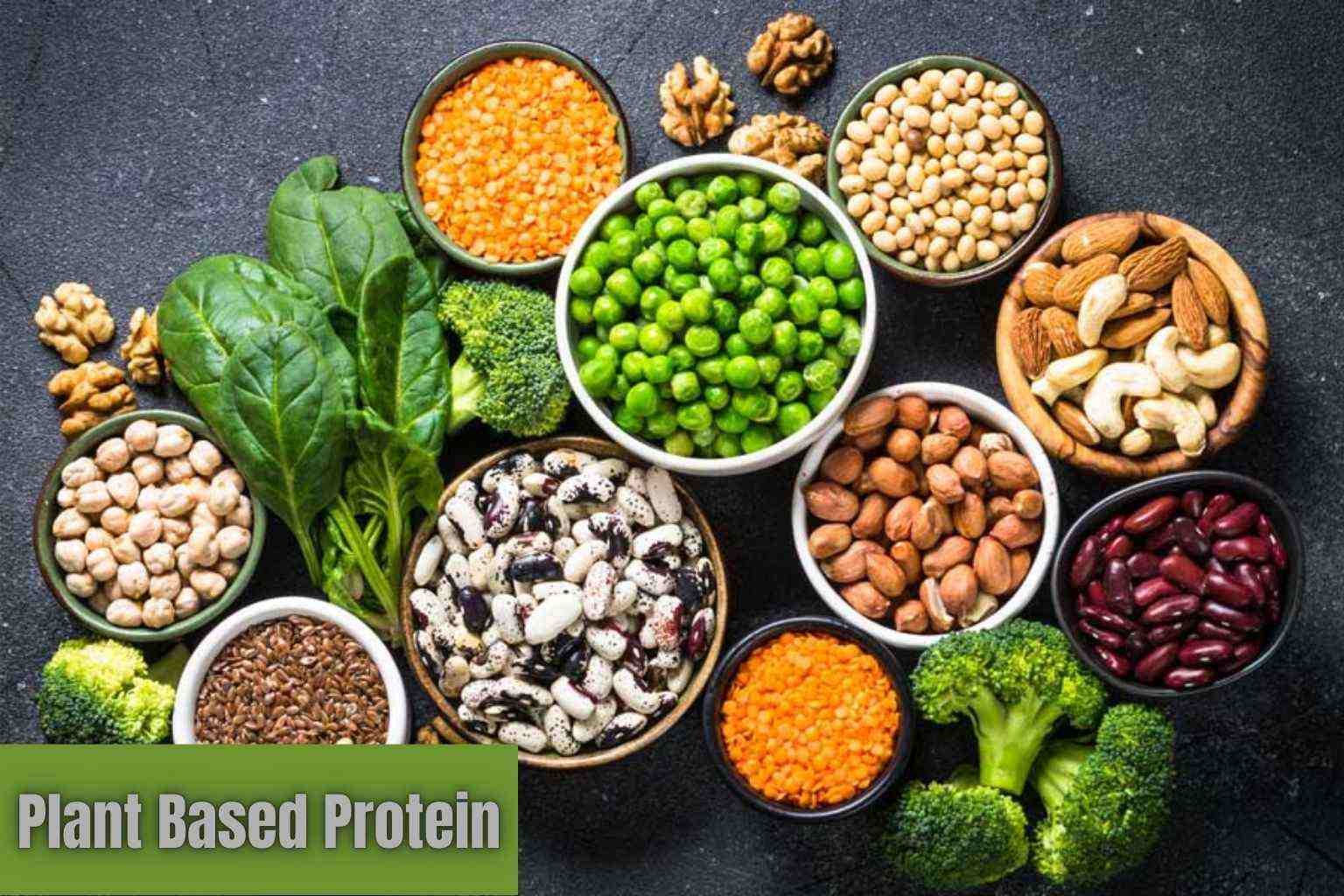
Worldwide dietary habits are shifting as more and more people leave older ways of eating in favor of health, sustainability and mindfulness about the food they consume. One huge trend is the increasing demand for plant-based protein. A While ago looked upon as the domain of only cutting-edge bodybuilders, athletes and health purists – now being embraced by just about everyone! This increase is indicative of a shift in our values towards food, the environment and long-term health.
1. What Plant-Based Protein Really Is
Plant-based protein is sourced from foods like legumes, grains, nuts, seeds and vegetables. It does not contain cholesterol like animal protein does and is typically lower in saturated fat. These protein sources are also high in fiber, vitamins and minerals that contribute to overall health.
2. Why People Are Turning to Plant-Based Protein
People are also eating less meat, whether out of health concerns, ethical considerations or a growing awareness of its environmental impact. For both vegetarians and meat eaters, plant-based protein can be an easy way to meet daily protein needs without relying heavily on animal products. Flexitarian diets, in which people eat mostly plant foods but occasionally meat, are increasingly popular; one reason is that it’s very healthful.
3. Health Benefits Driving the Trend
Plant-based protein is also associated with numerous health benefits. Plant Based Protein Rich diets may promotes heart health, critical for the long-term well-being of others good digestion and a healthy weight. The high fiber content is good for digestion and also helps people feel full longer.
4. Environmental Impact and Sustainability
Sustainability is a huge driving factor behind this. Plant protein tends to require fewer natural resources to produce than animal farming does. Less water consumption, lower greenhouse gas emissions and less land use make plant-based diets more environmentally sound.
5. Popular Sources of Plant-Based Protein
Here are five widely available plant protein sources:
- Lentils, chickpeas, and beans
- Tofu, tempeh, and soy products
- Almonds and chia: Nuts and seeds
- Whole foods like quinoa and oats
- Plant-based protein powders
These choices can ease the task of meeting protein needs on a daily basis.
6. Plant-Powered Protein in exercising and Training
Athletes are also getting into plant-based protein. With good planning, plant protein promotes muscle repair and performance. Plant Protein Blends are an ideal way to enjoy the wealthy, creamy taste of cookies one minute and joyfully participate in your favorite post-activity recovery routine.
7. Innovation in Plant-Based Foods
Food technology has been a big part of this ascent. Gone are the days when plant-based products tasted weird and lacked the texture of traditional protein foods. In the age of instant digital publishing, ready-to-eat meals, snacks and supplements contribute to making plant protein even easier.
8. Plant-Based Protein and Digestive Health
Plant proteins are frequently more digestible, supported by fiber which helps nourish gut bacteria. This also aids in improving digestion, relieving inflammation and supporting general digestive balance.
9. Obstacles When Moving to Plant-Based Protein
Despite benefits, there are challenges:
- Need for balanced meal planning
- Ensuring complete amino acid intake
- Misconceptions about protein quality
- Limited options in some regions
- Acclimatization time for taste and routines
These issues are best addressed through education and diversity.
10. The Future of Protein Diets Based on Plants
The proliferation of plant-based protein is only going to intensify. As plant protein continues to surge in popularity and the number of options available expands, it will become a staple in our diets. It won’t be an option, but a primary food choice among many.
Key Takeaways
The rise of plant-based protein is attributed to its health benefits, environmental perks and increased availability. With an array of options and better innovation, it’s never been easier to meet your protein intake from plants. This transition is part of a broader, longer term trend toward healthier, more sustainable eating habits.
FAQs:
Q1. What is plant-based protein?
It’s protein derived from plant foods such as legumes, grains, nuts and seeds.
Q2. Is it possible to meet your daily protein needs on plant-based protein?
Yes, with proper diet it is enough for our body’s protein requirement.
Q3. Is plant protein good for building muscle?
Absolutely, particularly if they are well trained and varied.
Q4. Is plant protein easier to digest?
Typically yes, because then it at least contains more fiber and natural nutrients.
Q5. Will plant-based protein continue to trend up?
Yes, health and sustainability trends clearly point to its growth.
