
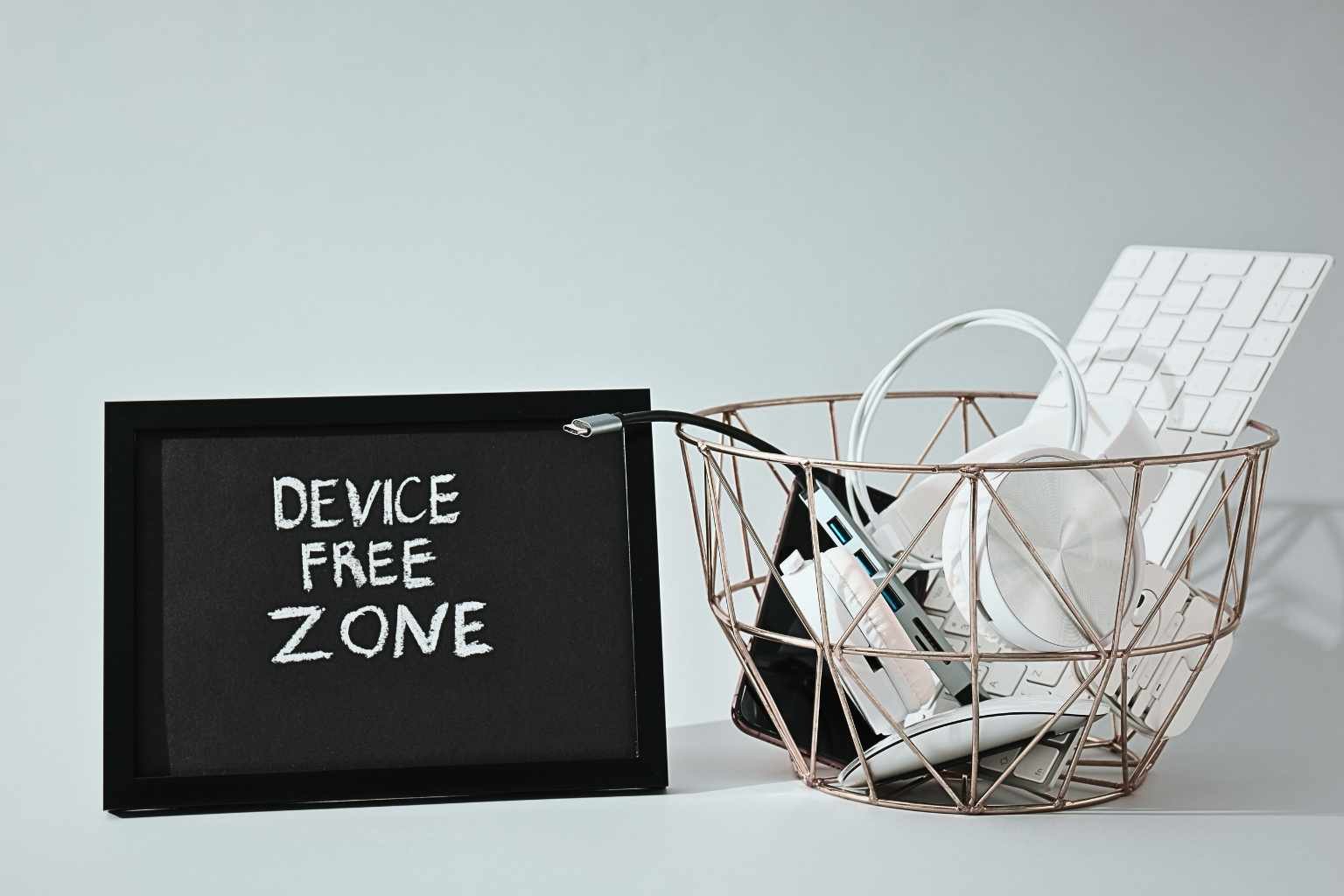
We are more connected and stimulated than ever, but many people feel overwhelmed, distracted and mentally depleted. There is no doubt: constant interruptions, infinite scrolling and screen-confined workdays are affecting both our ability to focus and our health. Digital detox practices are growing as people seek balance, clarity and a sense of control over their time. This is not a trend of dropping out of technology, but one of using it in a more focused way.
1. What Digital Detox Really Means
‘Digital detox’ is the act of consciously reducing screen time to reconnect with things happening in real life. But it does not have to mean cutting technology off entirely. Instead, it leans on establishing boundaries, taking breaks from devices and building healthier digital routines.
2. Why This Is Trending Amid Busy Lifestyles
Screen time is a requirement for work and social media and entertainment. Most of us are working online all day and it’s exhausting on our brains. But digital detoxing is a habit that can help us all slow down, manage stress and reclaim our focus in the ever-quickening pace of life.
3. Mental Health Gains from Going on a Tech Detox
The less we see of the screen, the better we feel. Lower anxiety, better mood and concentration are common among people. Less comparing on social media also results in increased self confidence and emotional wellness.
4. Improved Focus and Productivity
Constant notifications interrupt deep thinking. Digital detoxing habits make individuals more productive by decreasing distractions. Short breaks from screens can refresh the mind and improve decision making.
5. Popular Digital Detox Routine People are Following
There are many simple habits that people are using to disconnect in healthy ways:
- Turning off non essential notifications
- Allocating a few hours each day without screens
- Avoiding phones before bedtime
- With time tracking apps
- Focusing on hobbies that don’t require being online as much
These are little changes that add up to make a big difference.
6. Digital Detox and Better Sleep
Excessive screen use, especially at night, affects sleep quality. Blue light disrupts natural sleep cycles. Digital detox habits like phone free evenings and screen limits before bed help improve sleep and overall energy levels.
7. Strengthening Real Life Relationships
Put away screens and people connect more deeply with family and friends. Relationships and emotional well-being are elevated through face to face conversation, communal meals and quality time. Digital detox is about making a memorable time with people.
8. The Role of Mindfulness in the Digital Detox
The relationship between detox habits and mindfulness Mindfulness is a crucial aspect in the concept of detoxification. Understanding how and why technology is being used enables people to make better choices. Instead of mindlessly scrolling, users get more intentional about digital consumption.
9. Challenges of Reducing Screen Time
Digital detox is easier said than done:
- Work related screen dependence
- Fear of missing important updates
- Habitual phone checking
- Social pressure to stay online
- Initial discomfort and boredom
These are a lot, but with incremental changes they can be tolerable.
10. The Future of Digital Detoxing in Daily Life
With those goals in mind, the idea of a digital detox is quickly becoming integrated into the toolbox of modern self care. Awareness is increasing, and workplaces and families are trying to motivate healthier tech use. In the future, people will see balanced digital lives as the prerequisite for productivity and mental health.
Key Takeaways
A digital detox Counter-trend to our stressful lives – The rise of digital detox habits shows a growing need for balance in busy lives. By decreasing unnecessary screen time, they increase focus, sleep, relationships and mental health. Digital detox isn’t about spurning all technology; it’s about selecting your tools more wisely, so they help you live a healthier, happier life.
FAQs:
Q1. What is digital detox in basic words?
It is a way of taking planned breaks from screens to benefit well-being.
Q2. Are digital detoxes really necessary for limiting stress?
Yes, they can reduce mental overload and increase focus.
Q3. Can working professionals do digital detox?
Yes, even small rituals like screen free hours can have an impact.
Q4. How long should a digital detox be?
This can be a few hours each day or longer periods as feels comfortable.
Q5. Will digital detox be more of a thing going forward?
Yes, as individuals focus more on mental health and balance.”
