
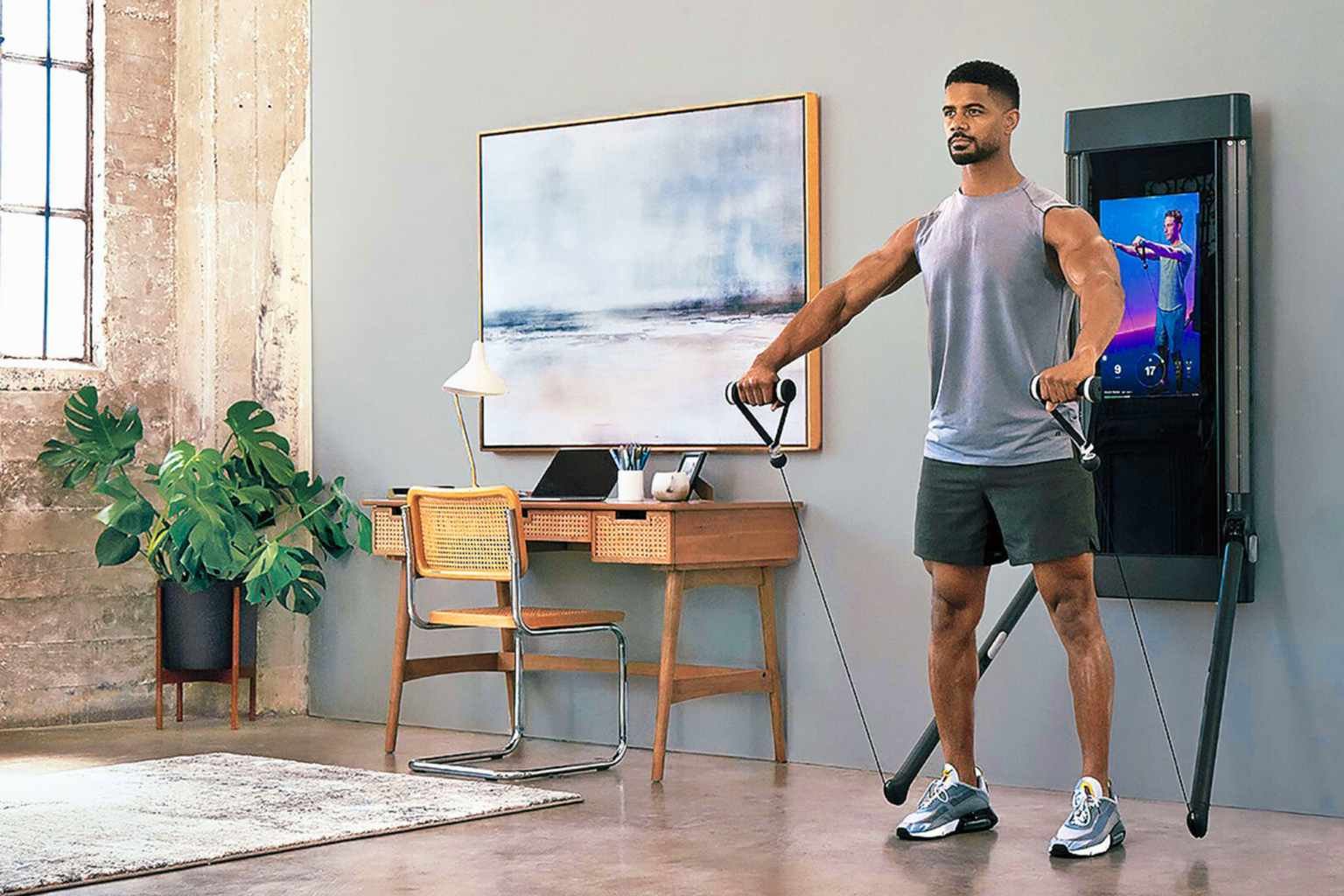
The era of gym and studio fitness is over. At-home fitness tech is booming, as more people seek out convenient, flexible and individualized ways to stay fit. More and more, smart equipment, fitness apps and connected devices mean living rooms are being turned into personal workout spaces. This change in perception is becoming the new normal, and implies that exercise, motivation and long-term health will be approached quite differently from this point on.
1. What At-Home Fitness Tech Is (And Isn’t)
At-home fitness tech refers to the digital offerings and smart devices that can help facilitate workouts at home. From fitness apps and wearables to smart bikes, mirrors, and AI training systems. The aim is to offer guided, efficient workouts without the need to hit the gym.
2. Why At-Home Fitness Is Surging
Many of us have little time, tight budgets and our increasingly flexible work lives have made working out at home more appealing than ever. Consumers are looking for fitness solutions that mesh with their daily activities. In-home fitness tech provides the convenience of on-demand access, privacy and time savings to help make physical activity easier to sustain.
3. Convenience and Flexibility Drive Adoption
First and perhaps foremost is that it’s convenient. Users can exercise when they want, with no travel time or class times to adhere to. With short sessions, adjustable intensity levels and an easy setup, it’s simple for people to stay consistent even on their busiest days.
4. The Gym Comes Home, With a High IQ
Smart fitness gear is changing home workouts. Treadmills, bikes and strength machines all connected to the platform can be put through guided sessions with real time feedback on performance. These are the tools that mimic gym quality training, at home!
5. Popular At-Home Fitness Technologies
Fitness tech, of many types, is contributing to this trend:
- Smart cardio machines with live and on-demand classes
- AI fitness apps and virtual trainers
- Wearables that monitor activity and recovery
- Interactive fitness mirrors and screens
- Subscription based workout platforms
Between them all they offer an interesting and challenging workout to any routine.
6. Personalization Through Data and AI
At-home fitness is one of the best-growing categories in AI. Apps dissect user data to measure performance, hydration and recovery. Workouts are then modified accordingly, based on this. This customization enable users to move safely and keep motivated.
7. Motivation and Engagement at Home
Staying motivated at home can be hard. Fitness tech solves that with challenges, progress tracking, reminders and community features. Leaderboards and social sharing add accountability and motivation.
8. Suitable for All Ages and Skill Levels
Home fitness technology for beginners, advanced users and older adults. Features low impact workouts, strength/toning routines, flex and rehab exercises. Such inclusiveness broadens the appeal of fitness.
9. Challenges of At-Home Fitness Technology
But here are challenges, despite strong growth:
- Import- high cost to purchase advanced smart devices
- Space limitations in smaller homes
- Dependence on subscriptions and internet
- Chance of red form reduction without trainers
- Motivation drops without discipline
Knowledge and appropriate use can ameliorate the challenges.
10. The Future of Home Fitness Tech
The future of at-home fitness tech is immersive and intelligent. Also endless virtual reality workouts and real time motion correction and further health integration. Fitness will be more individualized, interactive, and naturally incorporated into everyday existence.
Key Takeaways
The rise of at-home fitness tech reflects a trend toward more flexible and customized exercise. Smart gear, AI built apps and connected devices for hands-free monitoring keep people moving without leaving the house. As the technology behind it all keeps pushing forward, at-home fitness will keep redefining the ways people grow healthy and long-term workout habits.
FAQs:
Q1. What is at-home fitness technology?
It features smart devices and apps for working out at home.
Q2. Does at-home fitness work without going to the gym?
Yes, home fitness can work great with guided workouts and tracking.
Q3. Do I have to spend a lot of money on at-home fitness?
No, many low-cost apps along with basic devices are effective.
Q4. Can novices handle at-home fitness tech?
Yes, beginner friendly programs are available on most platforms.
Q5. Will at-home fitness replace gyms?
It’s not going to fully replace gyms, but it will be a more robust alternative.
