
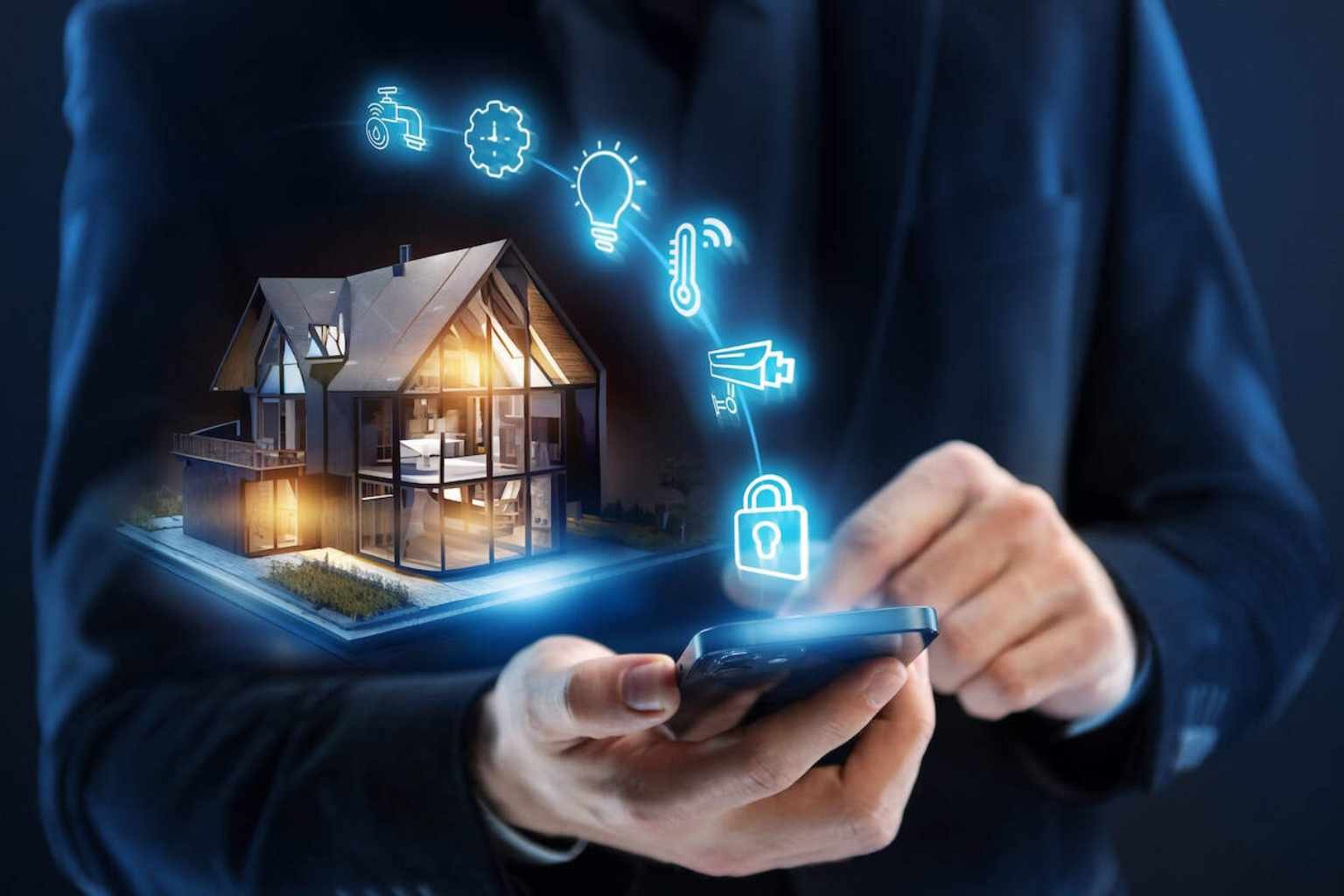
Smart home tech is transforming the way we live. Yet houses are no longer simply bricks-and-mortar with running water. They are becoming pleasurable environments that become more comfortable and easy to use over time. Smart homes are here but what do they actually mean? From lighting to security, energy management to entertainment – smart home has found its way into our lives in a big way.
1. What Makes a Home Smart
A smart home incorporates connected devices and automation systems for controlling functions such as light, temperature, entertainments systems. Such devices are controlled via the internet and can be managed through smartphones, voice assistants or programmed schedules. The idea is to design a home than runs optimally with the least amount of effort from its residents.
2. Why Smart Homes Are So Popular
Busy schedules and increasing energy bills are nudging people toward smarter living. Smart homes provide convenience, time savings and a better manageability of household systems. As the tech gets cheaper, smart features are no longer found just in luxury homes.
3. Convenience Through Automation
Smart homes are about automation. Lights go on automatically, thermostats adjust according to the weather and appliances work only when they’re supposed to. This minimizes the daily grind and helps residents concentrate on what really matters.
4. Energy Efficiency and Cost Savings
Smart Homes control and monitor usage thereby reducing energy wastage. Intelligent thermostats, lighting systems and appliances consume when consumption is genuinely needed. That saves money on utility bills and it’s better for our environment.
5. Essential Smart Home Technologies Changing The Way We Live
Here, some of the smartest features reinventing the modern home:
- Voice controlled lighting and appliances
- Smart thermostats for temperature control
- Automated curtains and window systems
- Smart kitchens with connected appliances
- Integrated home entertainment systems that can be easily controlled
These benefit comfort and performance.
6. Greater Security and Peace of Mind
With smart security systems, you get on the spot monitoring and alerts. And setups that include cameras, motion sensors and smart locks let homeowners monitor activity from afar. Such control adds to safety and makes it easier to rest with peace of mind, even when out of the house.
7. Personalization and Lifestyle Integration
Intelligent homes can learn the user’s preferences with time. Lights, temperature and entertainment adjust to the routines of everyday life. This customization combines comfort and living to create a homier environment.
8. Health and Well Being Benefits
Connected homes are living well too. Air quality monitors, smart lights, and sleep friendly environments enhance physical and mental health. And some systems even pair with health and fitness devices to encourage healthier behaviors.
9. Challenges of Smart Home Adoption
But achieving no-hands homes has its own set of challenges:
- Data privacy and security concerns
- Compatibility issues between devices
- Dependence on stable internet
- Initial setup and learning curve
- Maintenance and software updates
Dealing with these difficulties is crucial for seamless use.
10. The Future of Smart Living
The next big thing in smart homes is intelligent and connected. The home of the future will be proactive, not reactive, thanks to AI and automation. The smart home will become more or less standard instead of optional, molding a more efficient, comfortable way of living.
Key Takeaways
Smart homes are changing the way we live by providing convenience, efficiency, and personalization. They make everyday activities easier and safer while helping promote sustainable living. With technology advancing faster than ever, the smart home will become a natural part of how people receive comfort and control in their daily interactions with their surroundings.
FAQs:
Q1. What is a smart home?
It’s a house that is wired and automated for convenience and control.
Q2. Is it costly to establish a smart home?
Prices vary, but there are lots of inexpensive options now.
Q3. Do smart homes save energy?
Yes, they serve to monitor and curtail the casual waste of energy.
Q4. Is smart home technology safe?
It is secure, as long as security measures are taken and the device being accessed can be trusted.
Q5. Will intelligent homes be the norm in future?
Yes, smart features will be the norm in modern homes.
