
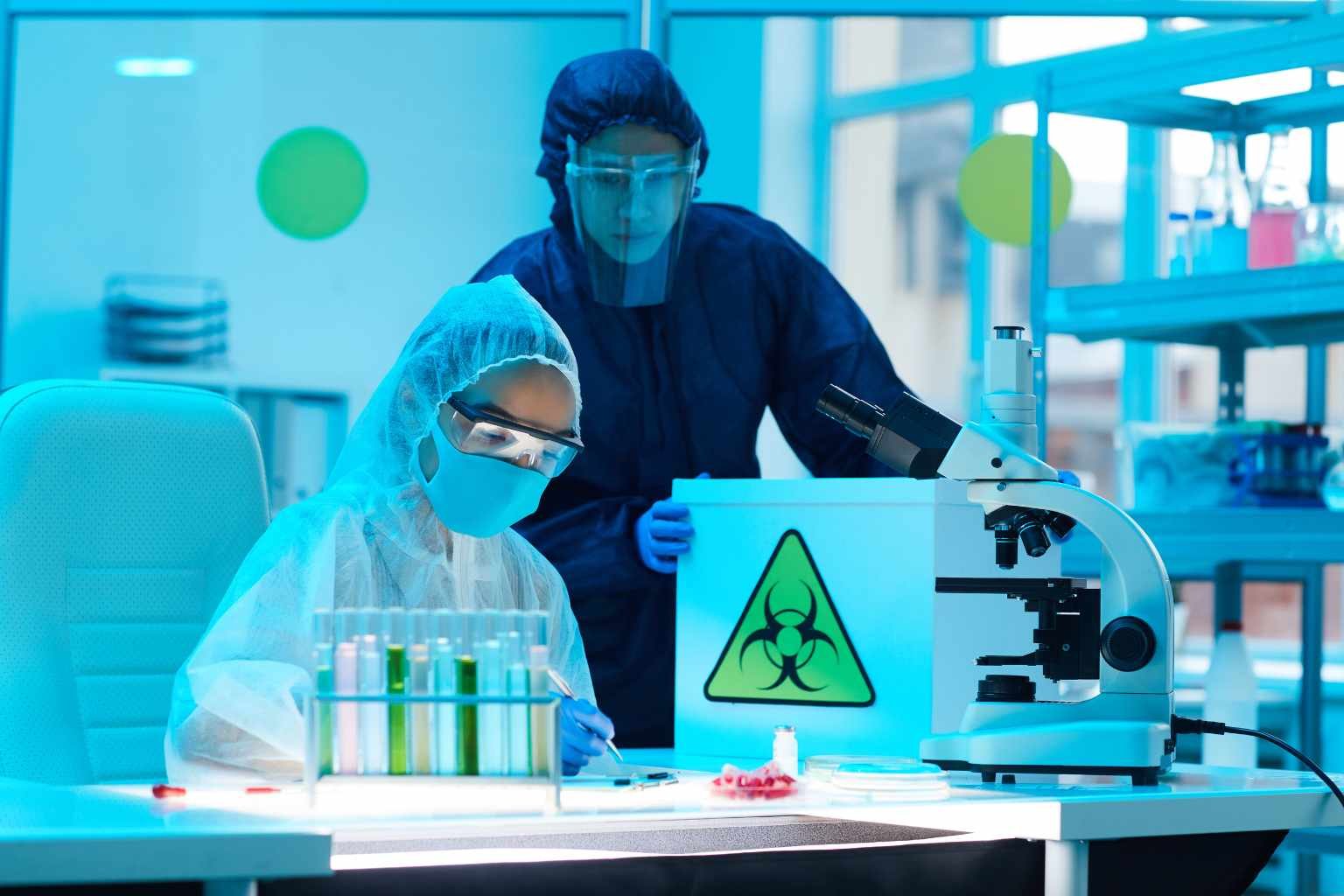
Biotech and health tech are converging to transform healthcare into a connected home service. Once limited to medicines, genetics, and labs, biotech now merges with digital tools, devices, and data systems. Together, they deliver smarter, faster, personalized care, revolutionizing how diseases are discovered, treated, and prevented.
1. Decoding Bio Tech and Health Tech
The field of biotechnology involves harnessing biological processes for the purposes of creating new medicines, vaccines and treatments. Health tech is the technology that supports health care and medicine. It is used in both scenarios to refer to digital platforms, medical software, wearable devices and similar solutions/programs alike. With these two together, biological-driven nexus of discovery coalesces with realtime digital intelligence.
2. Why This Is Coming Together Now
A number of factors are contributing to this convergence. Thanks to advances in computing power, AI and data analytics, biological data can be analyzed faster than ever before. Simultaneously, increasing health needs motivate industries to develop efficient and precise methods. Together, biotech and health tech provide scalable solutions.
3. Role of Data in Linking the Two708 Domains
Data is the bridge between biotech and health tech. Genomic, health and real-time patient data are aggregated and analysed to provide a deeper understanding. Health tech platforms do the processing of this data, while biotech uses it to devise therapies and treatments that are targeted.
4. Personalized Medicine Becomes a Reality
Personalized medicine is amongst the greatest results of this convergence. Now, rather than one-size-fits-all treatments, doctors are able to personalize therapy according to an individual’s genes, lifestyle and health history. This method enhances the therapeutic efficacy and minimizes side-effects.
5. AI and Automation Powering Innovation
AI ‘bridging the gap’ between biotech and health tech:
- AI processes genetic and clinical data fast
- Machine learning predicts disease risks
- Automation speeds up drug discovery
- Smart algorithms improve diagnosis accuracy
- Clinical decision support on digital platforms
These solutions reduce development times and result in better outcomes.
6. Wearables and Continuous Health Monitoring
Wearable products gather health data in the moment, including heart rate, sleep and activity. Coupled with biotech insights, it can be used to identify early signs of disease and track how well your treatments are working. Lifelong tracking transforms health care from reactive to preventive.
7. Faster Drug Discovery and Development
Traditional drug development takes years. Health tech tools, such as AI simualations and digital trials, can help biotech companies to test compounds more quickly. This is more cost effective and means life saving drugs can be delivered to patients faster.
8. Effects in Hospitals and Clinical Practice
Hospitals stand to gain from the coming together in the form of improved diagnostics and treatment planning. Digital health records with biotech insights enable doctors to treat patients better. Remote surveillance and telemedicine also can help alleviate strain on the hospital and promote patient access.
9. Hurdles of Biotech and Health Tech Integration
Despite progress, challenges remain:
- Data privacy and security concerns
- High cost of advanced technologies
- Regulatory and approval complexities
- Integration with existing healthcare systems
- Skill gaps across disciplines
This will need to be addressed if the transition is to go smoothly.
10. What’s Next for Integrated Health Innovation?
The Biotechification of Health Tech Will only Increase This Future That will continue to happen in 2019, and that brings the biotechnology ecosystem and the health technology ecosystem closer together. Health systems of the future will place a greater emphasis on prediction, prevention and precision. The more they work together, faster patients will be diagnosed and treated for a better quality of life.
Key Takeaways
Biotech and health tech are colliding to form the foundation of the modern healthcare system, pairs biology with digital smarts. This is an opportunity to combine medicine that focuses on the individual, accelerated drug development and continuous monitoring of health. Challenges aside, the convergence of these fields is propelling healthcare towards a future of precision, prevention and patient-centered care.
FAQs:
Q1. What convergence of biotech and health tech means?
It’s using biology with digital tech to make healthcare better.
Q2. What do these convergences mean for patients?
Patients get more personalized treatment and earlier disease detection.
Q3. To what extent does AI contribute to this convergence?
AI processes complex biological and health-related information to enhance diagnosis and treatment.
Q4. Do wearables contribute to this convergence?
Wearables convey real time data that allows biotech informed healthcare decisions.
Q5. Can this harmonization of tech cut costs in healthcare?
And as development quickens and care becomes preventive, eventually total health costs will falL
