
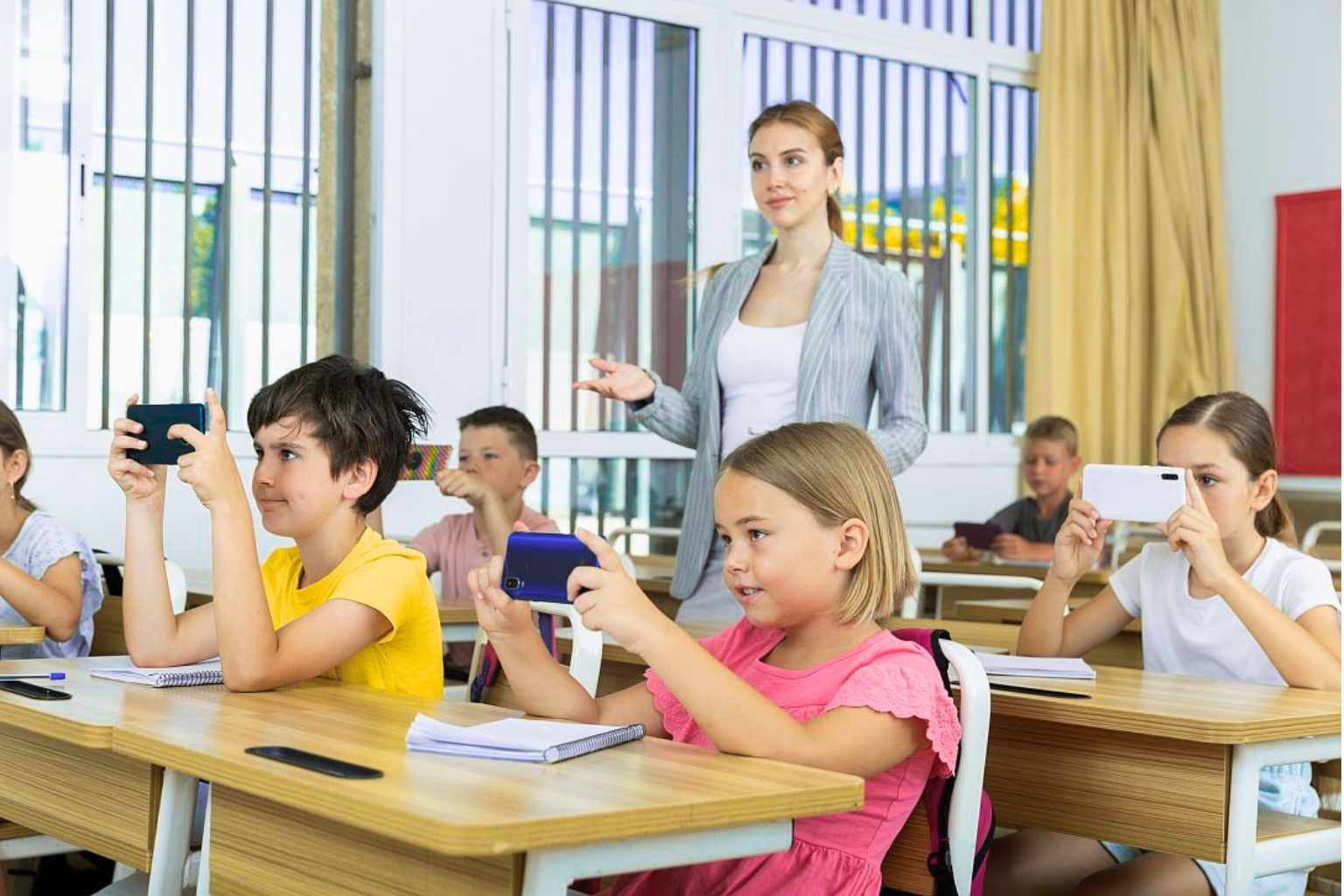
Social media use is part of everyday life for students. From talking to friends and watching videos to following trends, platforms shape the way students think and talk, spend time and share information. If social media provides learning opportunities, it likewise alters the study habits, attention span and academic focus of students. Knowing its effects can help students, parents and educators monitor unhealthy learning behaviors.
1. Life as a Student in the era of Social Platforms
Merriam-Webster’s Online Dictionary defines social media as forms of electronic communication through which users create online communities to share information, ideas, and personal messages or content. Students resort to social media for communicating, entertainment and getting informed. And many start and finish their day by scrolling through feeds. This chronic exposure is that, which determines how information is processed and time managed all of which influence learning habits.
2. Positive Impact on Knowledge & Education
Social media as a tool for learning Media is communication. Educational videos, study groups and informative content help with rapid learning of topics by students. Many users find their new passion or skill through bite-sized, educational posts.
3. Easy Access to Information and Resources
Today, students can get on demand tutorials, explanations and even global knowledge. Young students notice what their friends are doing academically and want to do something similar.Whether it’s clearing a doubt, going beyond textbook content or being in with new trend lines of academics, social media has learners covered.
4. Improved Collaboration and Peer Learning
Collaboration beyond classrooms Social media allows inter-class collaboration. Students talk about assignments, share notes and offer support to one another through group chats and online communities. This interaction among peers is a cooperative form of learning.
5. Ways Social Media Positively Shapes Learning
Used in moderation, social media can help facilitate learning:
- Fosters peer conversation and idea exchange
- Provides visual and simplified explanations
- Builds communication and digital skills
- Supports self learning and curiosity
- Connects students to global perspectives
Those benefits rely largely on conscientious use.
6. Distraction and Reduced Attention Span
One major concern is distraction. You cannot focus when you are being interrupted with notifications every minute. Studying and scrolling at the same time distract focus from one or another, making deep learning harder.
7. Effect on Studying Discipline and Time Management
Social Media abuse leads most of your time into procrastination. Assignments may be left undone or study hours shortened by students. Time management skill directly affects the academic achievement and the struggles and consistencies in learning.
8. Impact on Reading and Higher Order Thinking
Because people tend to ingest or consume short form content in much the same way as they shotgun an energy drink: Skinny. Students may have difficulty with extended reading or more elaborate problem-solving. This can over time undermine critical thinking abilities.
9. Struggles for Students Caused by Social Media
Social media also poses learning-related problems:
- Reduced focus during study sessions
- Sleep deprived by staying up late at night
- Comparison and academic pressure
- Dependence on quick answers
- Reduced face to face interaction
Awareness can lessen these harmful effects.
10. Developing Healthy Social Media Learning Practices
Balanced use is key. Placing limits on screen time, scheduling study hours and adhering to educational content are ways students can use social media without detracting from learning. Parent and teacher direction also are considered as factors.
Key Takeaways
Top 5 ways social media affects student learning habits Social media has a huge impact on student learning in both positive and negative ways. When properly used, it facilitates cooperation between parties, access to information and age-appropriate self education; overuse can be distracting and socially isolating. Through cautious use and productive guidance, social media can be an effective learning accessory rather than a hindrance to academic achievement.
FAQs:
Q1. Is the use of social media beneficial to students?
Yes, when storing educational content and cooperating.
Q2. Are students’ attention spans destroyed by social media?
Yes it can be over used, and could lose the students attention.
Q3. How should students study at social media?
Through having deadlines and focusing on learning timetables.
Q4. Does social media affect studies negatively?
It can be if you overindulge, but moderated use is possible.
Q5. Should schools be telling kids how to use social media?
Yes, digital awareness does help students put into practice healthy learning habits.
