
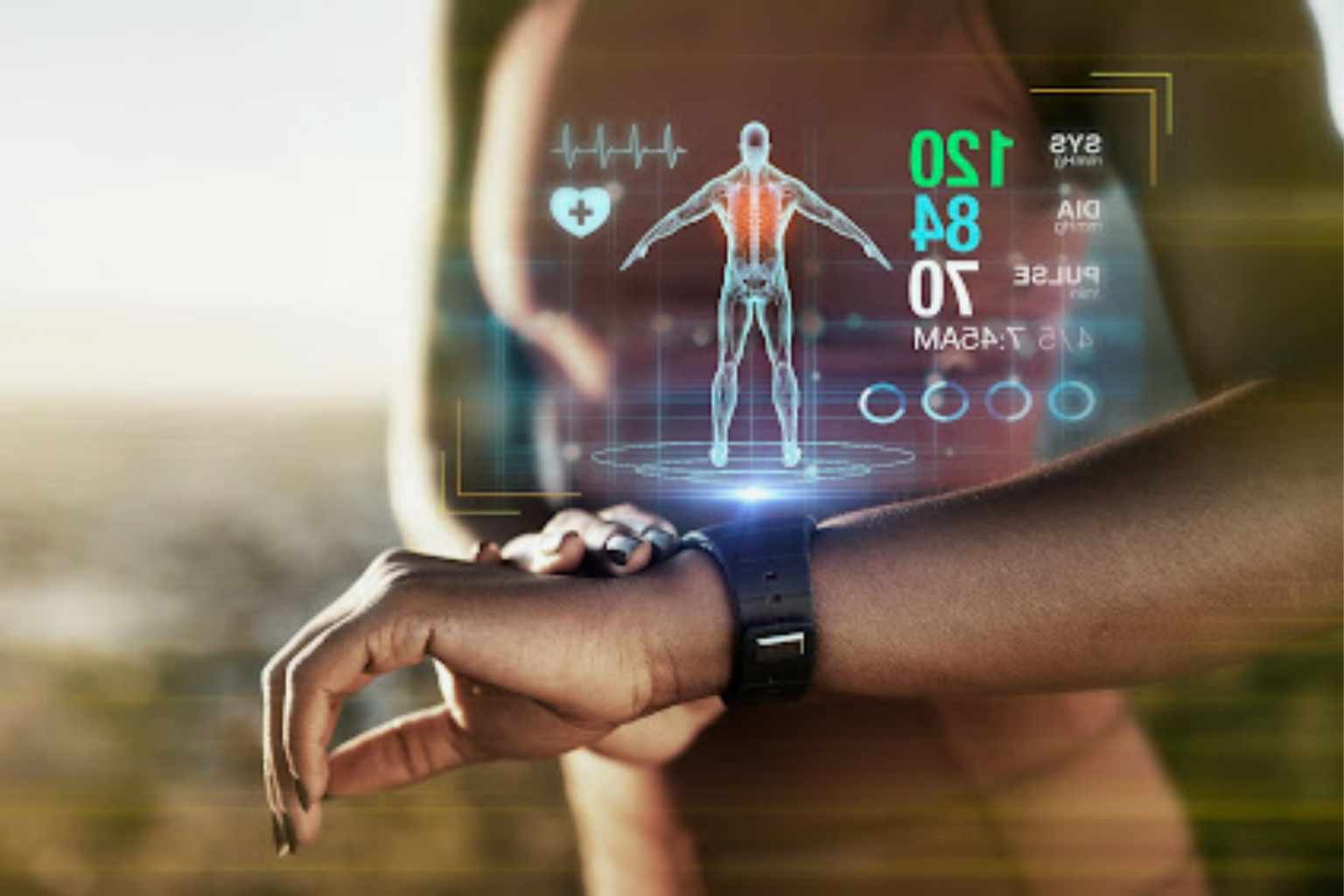
Wearable tech is changing the face of how athletes train, recover and perform. What began as basic activity tracking has graduated into advanced systems that track performance, fitness, health and recovery in real time. From the weekend warriors to the top athletes, wearable tech devices are becoming an integral part of the modern training program. As technology continues, those tools will become an even larger part of sports in the future.
1. How Athletic Gear Is Adapting to Wearable Tech
Wearable tech is the term for those smart devices that are attached to your body which monitor, collect and analyze data pertaining physical activity and personal health. They monitor movement and heart rate, muscle effort, sleep and recovery. For the athletes, this is hard data and seeing some results with what do work and dont.
2. Why Wearable Tech Is Booming in Sports
The training of athletes is becoming data-driven. In the first place, coaches and athletes would rather deal with specifics than guesswork. Wearable tech provides quantifiable feedback for streamlining training, avoiding overtraining, and maximizing long-term performance. The spread of its use is encouraged by increasing accuracy and decreasing cost.
3. Performance Tracking in Real Time
Current wearables monitor speed, distance, acceleration and movement patterns in real time. They can see how their body is responding during a training session or competition. This instant feedback gives instant adjustments which makes you both a more efficient and better athlete.
4. Injury Prevention and Load Management
The greatest advantage of wearable tech is injury prevention. Workload and physical exertion are being tracked by sensors. If an athlete is overdoing it, the system can even notify coaches to ease off on training load. This can help minimize injuries that people typically receive from overtraining and fatigue.
5. Wearable Device-Observed Key Performance Indicators
Wearable tech collects a large amount of performance and health data:
- Heart rate and heart rate variability
- Muscle activity and movement efficiency
- Speed, distance, and acceleration
- Sleep quality and recovery levels
- Hydration and body temperature
These two parameters provide a holistic view of athlete readiness.
6. AI and Data Analytics in Training
Artificial Intelligence culls through wearable data to look for patterns, trends. AI assists in predicting performance-based results, rehabilitation needs and injury risks. Coaches will be able to develop tailored training plans based on data, rather than generic routines.
7. Recovery and Rest Optimization
Recovery also it the other 50% of training. Wearable tech monitors sleeping, stress indicators and recovery markers. Sportspeople can manipulate the length of their rest periods and recovery strategies in order to prevent overtraining and stay at their best.
8. Wearables in various sports
Wearable tech is common in many sports – football, cricket, athletics and swimming to name a few. Every sport has its unique features but the objective is one and the same: increase performance and do so by preserving athlete health. Training specific sensors now!
9. Challenges in Wearable Tech Adoption
However, while there are numerous advantages of wearable tech:
- Data overload without proper analysis
- Accuracy variations between devices
- High cost of advanced wearables
- Privacy and data security concerns
- Resistance from traditional coaching methods
Here, education and assimilation are powerful solutions.
10. The Future of Athlete Wearables
The future of wearables in athlete training is smart and customized. Future devices might be applied in smart clothing, implantable sensors and on-line coaching feedback. Wearable tech will not only track how you’re performing but help ensure you make smarter decisions on training and safety.
Key Takeaways
Wearable tech is revolutionizing the way athletes train, offering real-time feedback and analysis, performance enhancement and injury prevention. Stemming from AI and enhanced sensors, they will enable more intelligent training and improved recovery. Wearable tech will be an athlete’s collaborator as they challenge their potential to perform at the highest level.
FAQs:
Q1. What is wearable tech in sports training?
It’s a catchall term for connected devices that monitor your stats on performance, health and recovery.
Q2. Is there such a thing as wearable tech that can help prevent sports injuries?
Yes, it does help us to track workload and spot early signs of strain.
Q3. Are professional athletes using wearable technology?
Yes, the vast majority of professional teams and athletes utilize wearable data for training.
Q4. Does wearable tech have a place for the recreational athlete?
Yes, it’s a way for amateurs to safely train and get faster.
Q5. Will wearable tech replace coaches?
No, it supplements coaches with data by serving as the mouthpiece of a human, not replacing one.
